PATIENTS FOR PATIENT SAFETY US
Patients For Patient Safety US (PFPS US) is a patient-led 501(c)(3) nonprofit working to eliminate preventable harm in American health care. Founded in 2021, PFPS US is the U.S. branch of the World Health Organization's Patients for Patient Safety network and works to put the WHO Global Patient Safety Action Plan 2021-2030 into practice in the United States. Our members are patients and families who have experienced medical harm, joined by clinicians, researchers, and partner organizations. We focus on diagnostic safety, patient-reported measures, policy and advocacy, and the safe, equitable use of artificial intelligence in health care.
Support the Diagnostic Safety Act Today!
Please contact your Senators and Congress person and ask them to co-sponsor the "Saving Lives and Reducing Health Care Waste by improving Diagnosis in Medicine Act."
You can easily add your own brief story about why this matters to you in the letter on the right, below the form.
LEARN MORE
Up to a million people a year die or are seriously disabled by missed, delayed, or wrong diagnoses (source: Johns Hopkins)
- Half of patient safety events are not reported, limiting the ability to make care safer (source: HHS OIG)
- The patient's role in diagnostic safety (source: AHRQ)
- CDC guidelines on Diagnostic Excellence (source: CDC)
- Learning from patients' experiences of diagnostic errors (source: Health Affairs)
You can read the Senate Bill here: S. 4989
You can read the House Bill here: H.R. 9696
For more information about PFPS US, click here
HOW IT WORKS IN 3 STEPS
- FILL YOUR INFO
- ADD YOUR STORY TO THE LETTER
- HIT SEND EMAIL
It goes straight to your Senators and Representative.
NOT SURE WHAT TO WRITE?
- Was a diagnosis missed, delayed, or wrong for you or someone close to you?
- What happened as a result?
- What would have made a difference?
- Why does it matter to you that Congress acts now?
Example:
“In 2021, my mother’s stroke symptoms were dismissed as anxiety. By the time she was correctly diagnosed, the damage was permanent. No family should go through what we did. Please co-sponsor this bill.”
Two or three sentences is enough. You don’t need to be an expert, just honest.
MISSION
To unite patients, families, and stakeholders to improve diagnostic accuracy, advance patient safety, and eliminate health disparities through research, policy, advocacy, and technology.
VISION
A world in which no one is harmed in health care, and every patient receives safe and respectful care every time, everywhere.
What We Do
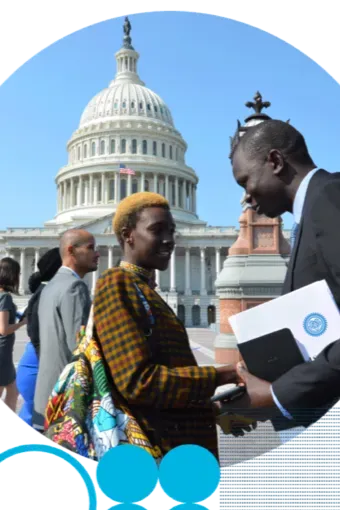
Advocacy and policy in healthcare are closely interconnected concepts that together shape how healthcare organizations function, how care is delivered and paid for, what medicines or devices can be used to treat patients, how patient privacy is protected, and how health is maintained and continuously improved.
Through Project PIVOT, patients help decide which patient-reported experiences and
outcomes should be used to measure safety and diagnostic accuracy, and we partner with
AHRQ Diagnostic Centers of Excellence on diagnostic safety research.

We are committed to advancing research that centers patient and family experiences, particularly in areas where harm is most prevalent, such as diagnostic safety and the dismissal of patient concerns.

In the rapidly evolving field of health technology, we are at the forefront of advancing responsible AI in health care. PFPS US President and CEO Sue Sheridan co-chairs the National Academy of Medicine's Patient Safety in the Era of AI initiative, and our PRAISE Consortium brings patient voices into how AI is designed and used.
Together, these efforts reflect PFPS US’s integrated approach to achieving zero harm in healthcare, combining patient-driven advocacy, rigorous research and measures, policy leadership, and technological innovation to create a safer, more equitable system for all.
Did You Know...

Medical Errors
Medical errors may be the third leading cause of death in the United States, according to a 2016 study in The BMJ by Makary and Daniel.
Diagnostic Errors
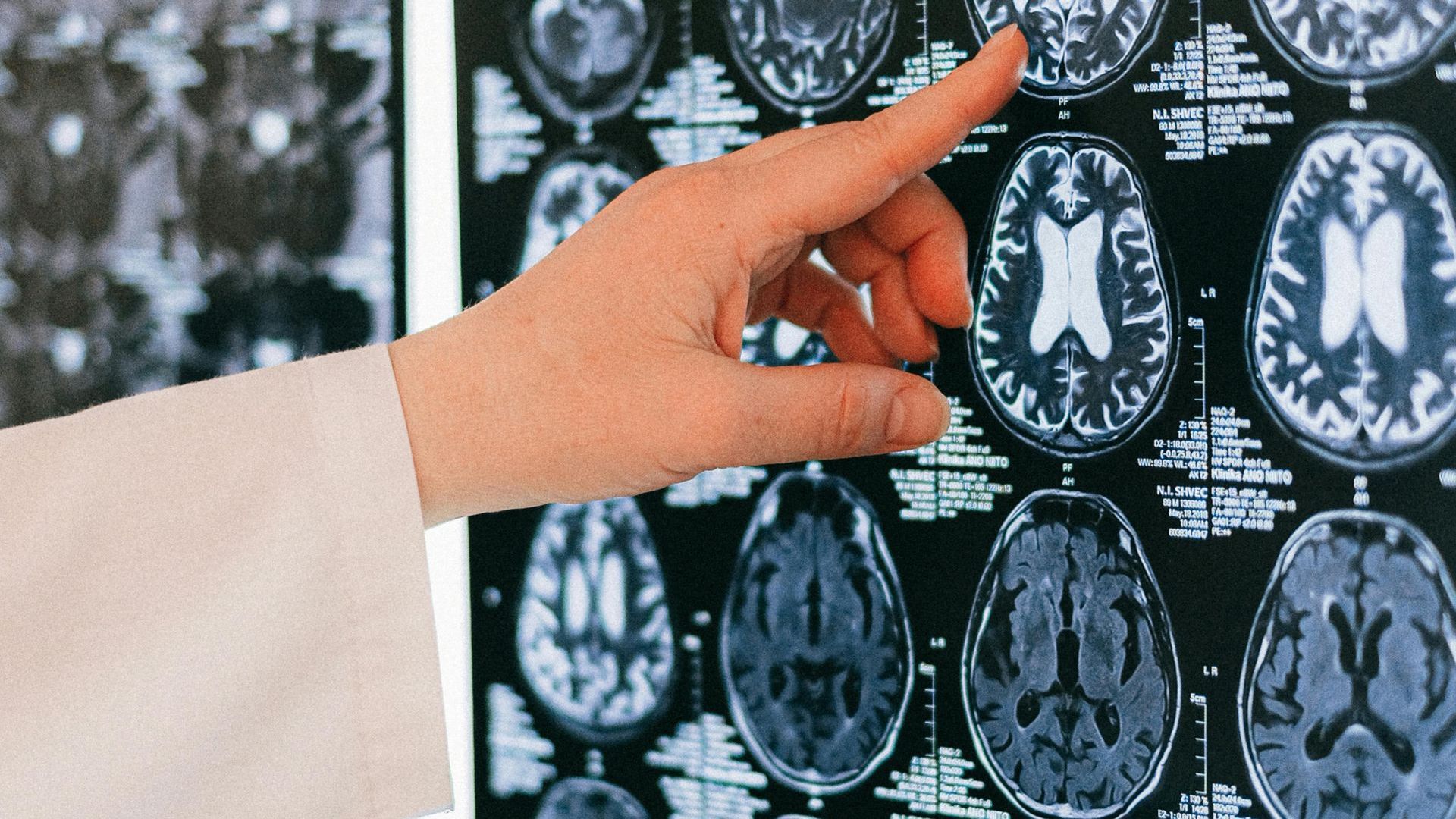
About 795,000 Americans die or are permanently disabled each year because dangerous diseases are misdiagnosed (Newman-Toker et al., BMJ Quality & Safety, 2023).

Vulnerable Populations
Medical and diagnostic errors disproportionately harm socially marginalized populations.